Why Compliance Matters In Support And How To Get It Right
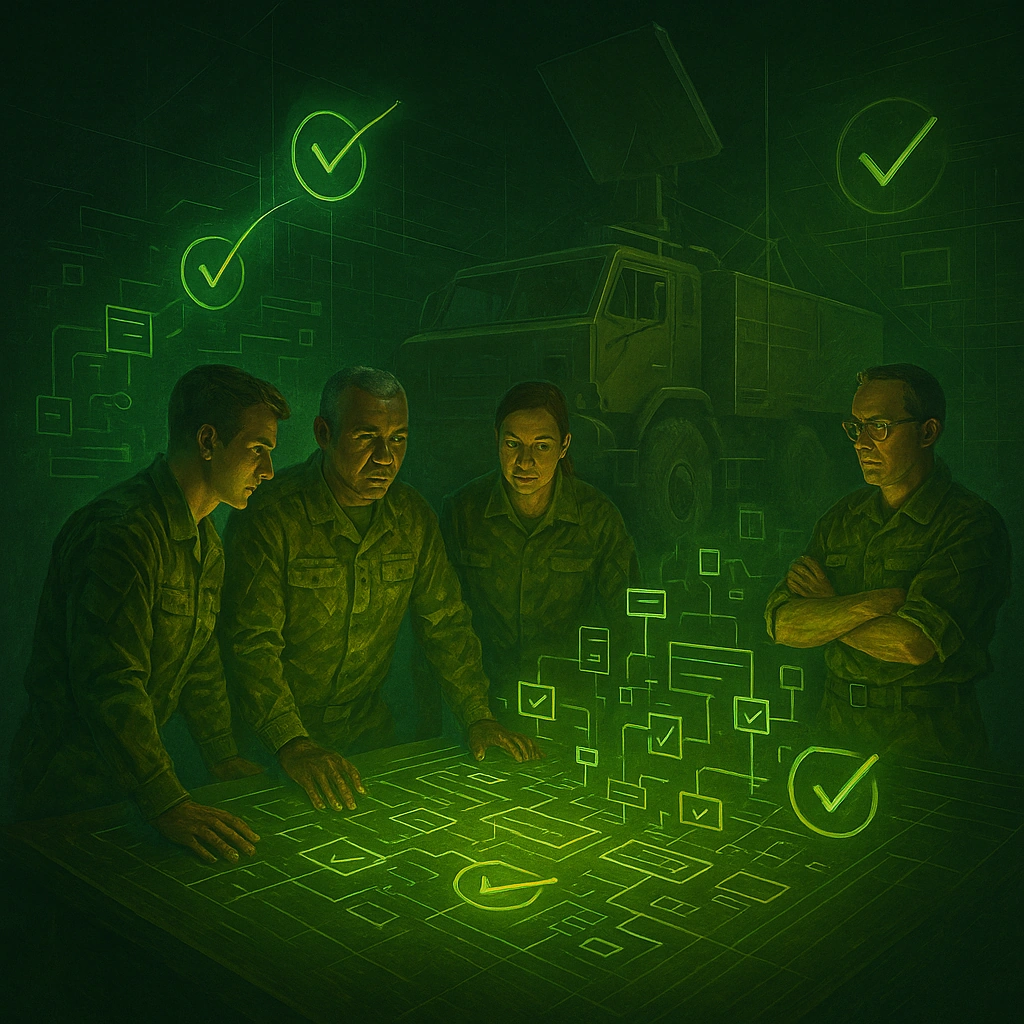
Compliance often shows up in defence projects as forms, evidence logs and audit trails. It can feel like something that sits beside the real work of designing, operating and supporting equipment. In reality, compliance is the way a project proves that safety, reliability and support plans are more than good intentions. When it is handled well, it gives leaders confidence that fleets are being used within safe limits, that maintenance is done properly and that risks are understood and managed.
For more than 25 years, Quorum’s consultants have worked with defence organisations to turn compliance expectations into practical routines. As independent integrated logistic support specialists, we sit alongside project teams, engineers and maintainers to help them understand what regulations require, how to evidence good practice and where to simplify. Our goal is always the same. Help clients meet their obligations while improving equipment performance, rather than treating compliance as a box-ticking chore.
What Compliance Really Means For Defence Support And ILS
Compliance in defence support is about showing that equipment is operated and maintained in line with agreed rules, standards and assumptions. It covers everything from how often inspections happen, to how maintenance tasks are recorded, to how training and safety information is kept up to date.
For Integrated Logistic Support, this evidence is vital. Availability figures, through life cost estimates and support strategies all rest on certain conditions being met. If people skip steps or cut corners, these assumptions quietly break. Over time that can lead to more failures, longer downtime and a growing gap between what plans say should happen and what is really happening on the ground.
Our consultants encourage teams to see compliance as a way of protecting their own decisions. Clear records and traceable processes make it easier to defend choices, learn from experience and show that risks have been handled responsibly. Instead of extra work, compliance becomes part of doing support properly.
Common Compliance Pitfalls In Long-Term Defence Programmes
Problems with compliance rarely appear at the start of a programme. Early on, everyone is focused, processes are fresh and documentation is current. Issues tend to creep in slowly as equipment evolves, teams change and pressures grow. One common pitfall is relying on outdated procedures that no longer match the configuration in service. Maintainers then have to improvise, which makes it hard to provide clear evidence of what was done.
Another frequent issue is fragmented record keeping. Different teams store information in separate systems or spreadsheets, with no single view across training, maintenance, modifications and incidents. This makes it difficult to respond when an authority asks for proof that a particular requirement has been met over time. Audits become stressful and time consuming.
Our consultants help clients surface these weaknesses early, before they cause findings or sanctions. By reviewing how requirements are interpreted in practice, and how evidence flows through the support chain, we can highlight gaps and suggest simple improvements that reduce risk without adding unnecessary paperwork.
Over time, weak compliance can show up in customer assessments and formal competitions. Poor audit results, missing evidence or unclear processes may lead to lower scores at pre-qualification, bid stage or contract review, reducing the chances of renewal or future awards. Our consultants help clients understand these commercial risks so that improving compliance also strengthens their position in the supply chain.
Linking Compliance With Reliability, Safety And Through-Life Cost
Compliance often focuses on rules and documentation, yet its real impact is felt in reliability, safety and cost. If inspections happen when and how they should, small faults are caught early, before they turn into major failures. Accurate records then allow engineers to spot patterns, refine maintenance schedules and improve repair processes. This leads directly to higher availability and more predictable performance.
Safety benefits in a similar way. When training records, operating limits and incident reports are complete and accessible, it becomes much easier to show that people were competent, that hazards were understood and that lessons from past events were applied. This gives commanders, regulators and manufacturers greater confidence in how equipment is being used.
Through life cost is also tied to compliance. Poor records make it difficult to justify investments in upgrades or to negotiate fair support arrangements with industry partners. Our consultants work with clients to align compliance data with reliability and cost models, so that every inspection, repair and training activity feeds a clearer picture of whole life performance, rather than being treated as a separate obligation.
Building Practical Compliance Into Everyday Support And Maintenance
Compliance becomes sustainable when it feels like part of normal work, not an extra layer. Small, practical habits go a long way.
Start with simple, clear instructions that match the equipment actually in service. If maintainers trust the procedures in front of them, they are more likely to follow and record them.
Next, make it easy to capture the essentials at the point of work rather than later at a desk.
Finally, bring compliance into regular conversations, so it stays visible without feeling like a threat.
Some useful habits include:
- Using up to date work cards that reflect the current configuration
- Recording findings and deviations as part of closing each task
- Keeping training records close to where planning takes place
- Reviewing sample job packs to check they tell a complete story
- Sharing audit outcomes in a constructive way with front line teams
Our consultants focus on these practical details, helping defence organisations design processes that fit real workplaces. When compliance is built into daily routines like this, it delivers better evidence with less friction and supports a healthier support culture.
How Quorum’s ILS Consultants Turn Compliance Requirements Into Better Outcomes
Many defence teams know they must meet specific standards but are less sure how to do so without slowing delivery or overloading people. This is where an experienced support partner adds value. Quorum’s consultants start by listening to how your project works today, then mapping where compliance requirements touch existing processes, data and roles. The aim is to find simple ways to align what regulations expect with how your people already operate.
We then work with engineering, logistics, training and commercial staff to refine routines, templates and information flows. That might mean adjusting maintenance planning so records are more complete, reshaping training evidence, or improving how configuration changes are documented. Where needed, we help you prepare for audits, using trial runs to build confidence and reduce surprises.
The result is not only fewer findings or observations. With clearer evidence and more reliable data, leaders can make better decisions about upgrades, fleet planning and long term support strategies. Compliance becomes a source of insight and assurance, rather than just another demand on busy teams.
How The Right Support Partner Helps You Stay Ahead Of Obsolescence
We work alongside your team to map where obsolescence risk is highest, test practical options and build these into support and training plans. That might mean identifying suitable replacement parts, reshaping stocking strategies or helping you make the case for a targeted upgrade rather than a full platform change. Our role is to give you clear, honest insight into the trade offs, not to add complexity.
Above all, we help you move from reactive scrambling to proactive control. When obsolescence is treated as a manageable part of support planning, defence organisations can keep vital equipment in service for longer, with fewer surprises and more predictable costs.
Book an informal chat with Shaun for a free consultation and discover how ILS can propel your operational efficiency and cost-effectiveness to new heights.